The 6 Best Safari Destinations in South Africa
When it comes to safari, South Africa is most likely the most accessible country on the continent. Boasting a huge number of national parks and reserves, from the mighty Kruger National Park in the east to the malaria-free Madikwe Game Reserve on the Botswana border, there really is something for everyone. And with fantastic infrastructure for self-drive safaris, it’s one of the most affordable places to go on safari. In this article, I’ve put together my top six picks after visiting South Africa for safari multiple times, along with an overview of what makes them special, to help you choose the ideal reserve for your dream safari!
South Africa also houses some of the most exclusive game reserves on the continent, which give you access to incredible densities of wildlife, as well as superb luxury accommodation. With so much choice, it can be hard to decide where to visit for your own South Africa safari adventure, so let’s begin.
Kruger National Park
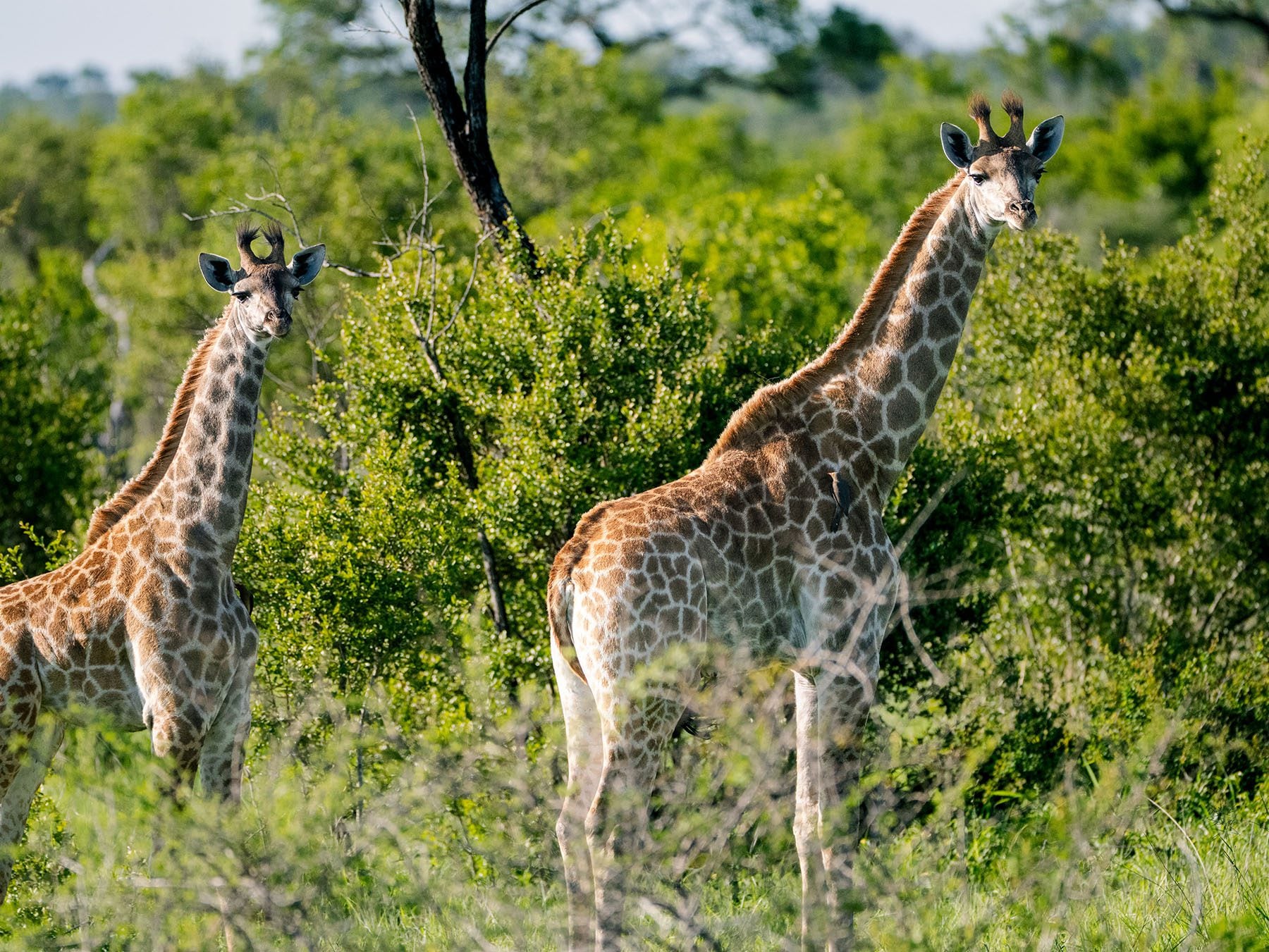
Without a doubt, Kruger National Park is the most popular safari destination in South Africa. And with good reason. The park is home to some 147 large mammal species, including healthy numbers of the famous ‘Big Five’ (lion, rhino, leopard, elephant and buffalo).
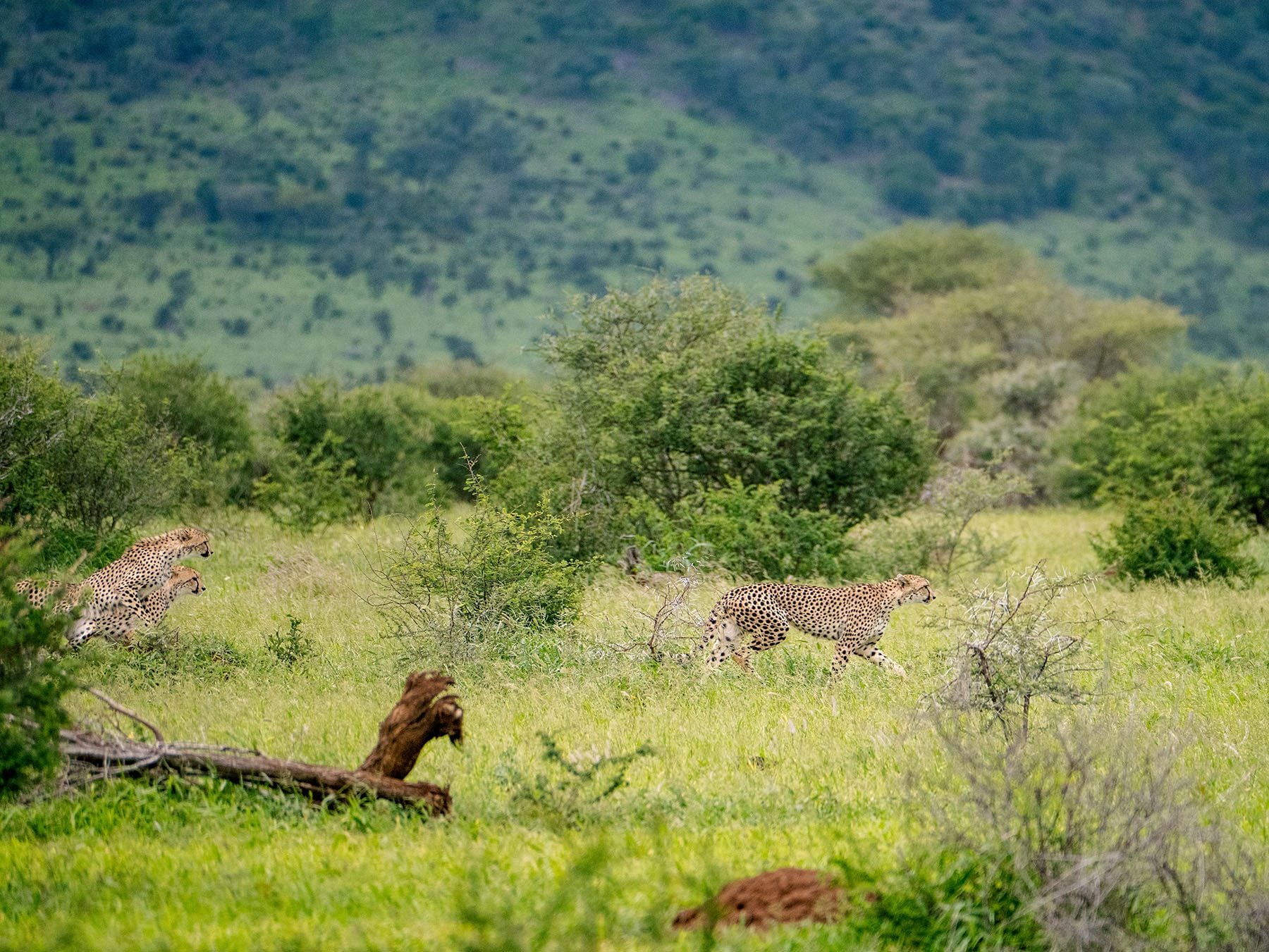
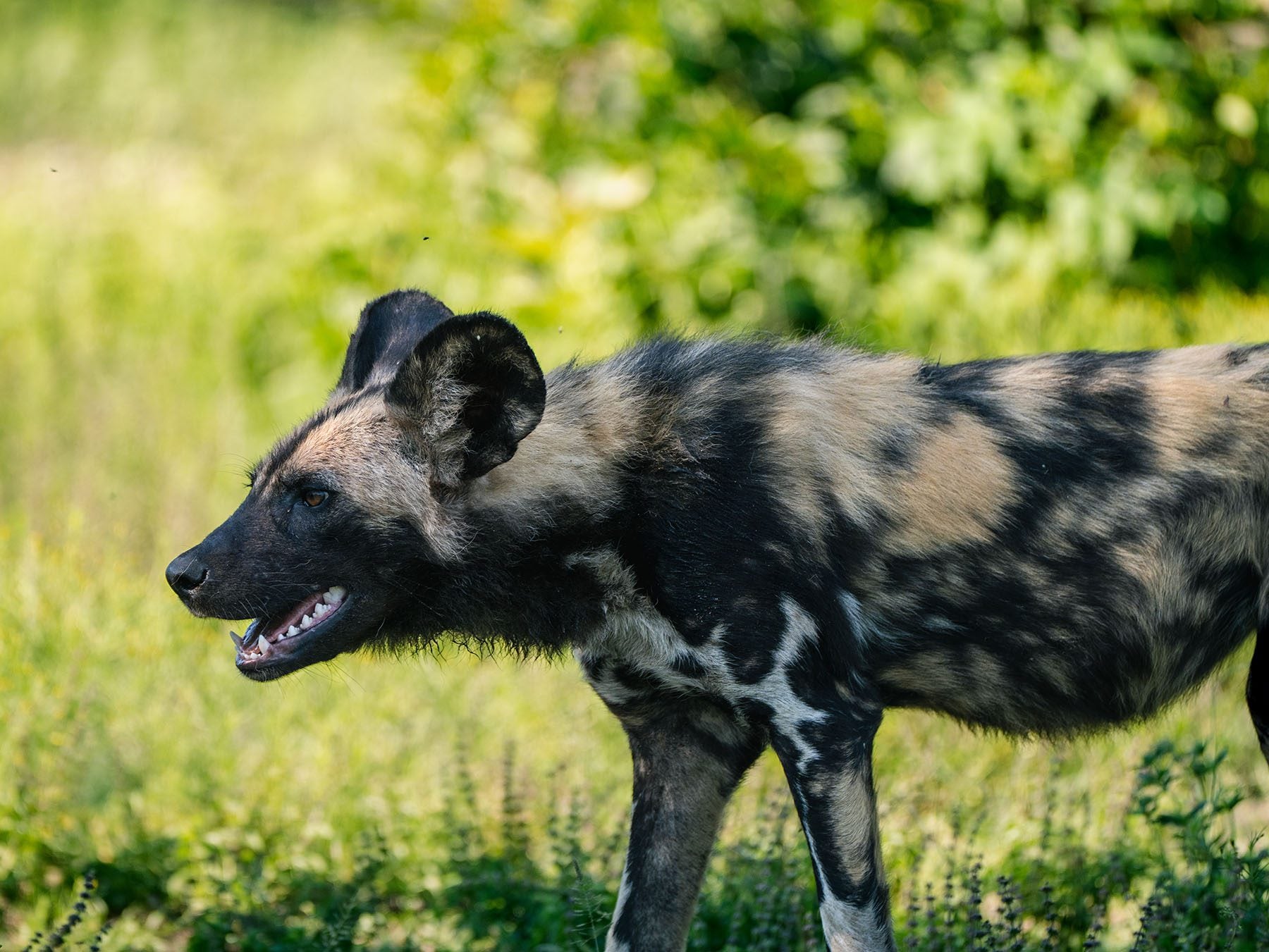
You can also find some of South Africa’s rarer predator species here, such as cheetahs and African wild dogs. I was lucky enough to see a family of cheetahs, a mother and her two sub-adult cubs, on my first ever safari in Kruger National Park.
In addition to the superb wildlife sightings, it’s the untamed feel of the place that makes Kruger truly special, thanks to the absence of boundary fences between it and the private reserves on its western border. This wider area is known as the Greater Kruger ecosystem, and it spans over 2.1 million hectares with animals enjoying unrestricted movement throughout.
Kruger has fantastic infrastructure and is very well suited to self-drivers. Well-maintained tarred roads can be found throughout the park, and there are a number of rest camps that offer camping or chalet accommodation.
Kruger National Park is huge! For the best wildlife sightings, I’d recommend visiting the south. Areas like Skukuza are pretty reliable for big cat sightings.
Whilst the north has generally less wildlife, it’s also more remote and quiet, so it could offer an off-the-beaten-track experience for those looking to escape the crowds.
Whilst there are some more luxurious accommodation options, I’d actually recommend staying in a neighboring private reserve, such as Sabi Sand, if you have a higher budget.
Sabi Sand Game Reserve
Sabi Sand Nature Reserve is the go-to South African reserve for unmatched Big Five sightings when cost is not an issue. It may be pricey, but I’ll say off the bat that it is the one reserve that far exceeded my (already high) expectations.
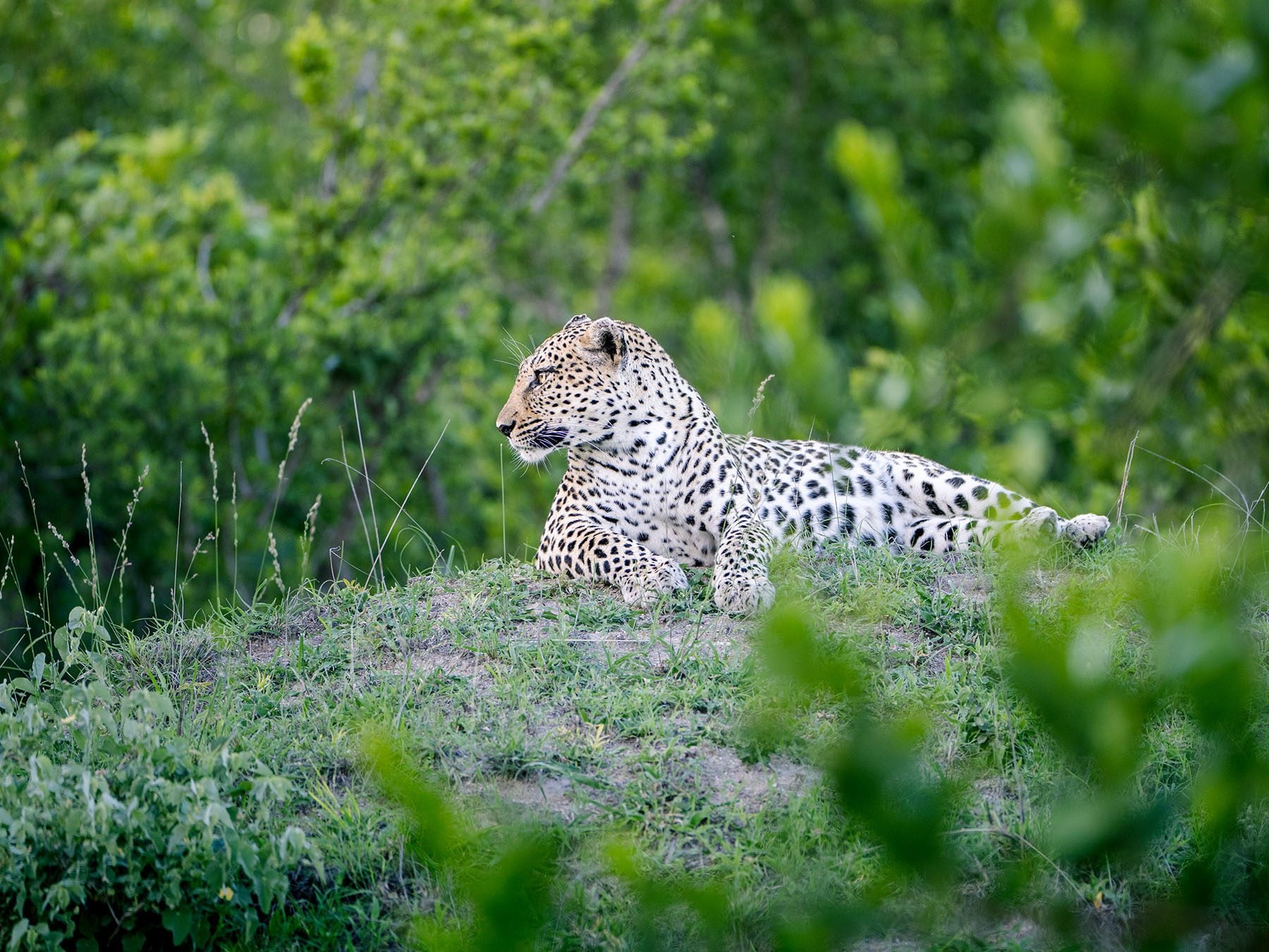
This 65,000-hectare unfenced private reserve borders directly on Kruger National Park, offering wildlife viewing that rivals any other reserve in Africa. During my three-night stay in the western sector, as part of a broader South Africa safari itinerary, I spotted each of the Big Five and even enjoyed three separate wild dog encounters, thanks largely to my amazing driver, who went above and beyond to ensure I saw the wildlife that was top of my bucket list.
First and foremost, Sabi Sand is famous for leopards. Conservation organization Panthera, which runs the Sabi Sands Leopard Project, has recorded a leopard density of 12.2 per 100 km2 here, which exceeds all other South African reserves surveyed.
Another defining feature of Sabi Sand is its luxury accommodation. This reserve houses some of the finest safari lodging on the continent. MalaMala, Singita and Londolozi are all examples of the prime lodging that can be found here. Unsurprisingly, these luxury establishments do come at a cost.
Sabi Sand may be expensive compared to other reserves, but I do believe it’s worth it. There are few places more reliable for seeing leopards. I managed to spot 10 leopards over a 5-night stay, split across two lodges at opposite ends of the reserve.
It is possible to visit Sabi Sand and stay at some slightly more reasonably-priced lodges. Inyati Game Lodge and Elephant Plains are still luxury properties but with a slightly less eye-watering price tag.
Madikwe Game Reserve
If you’re looking for a chance to see the Big Five but don’t want to have to worry about taking malaria tablets, I’d recommend Madikwe Game Reserve.
Perched on the border with Botswana in the North West province, the reserve has a distinctly wilder feel than Sabi Sand at a fraction of the price. Its location in the transition zone between the Kalahari Desert and the lush bushveld means that the landscape here is very different to the typical savannah terrain in most safari reserves.
Officially established in 1973, this 75,000-hectare protected area is run by the North West Parks and Tourism Board, with elephants reintroduced in 1995 as part of the reserve’s rewilding strategy.
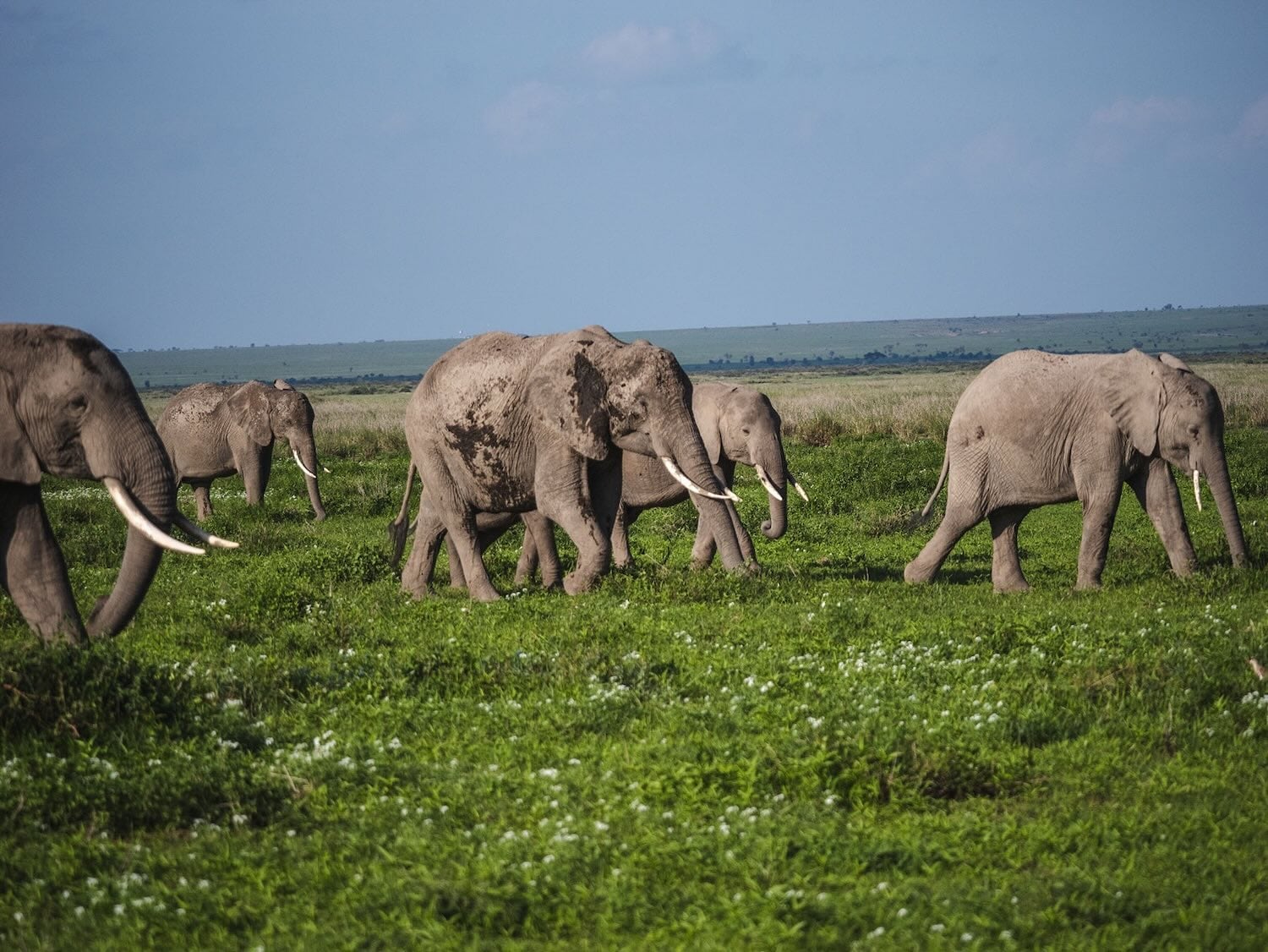
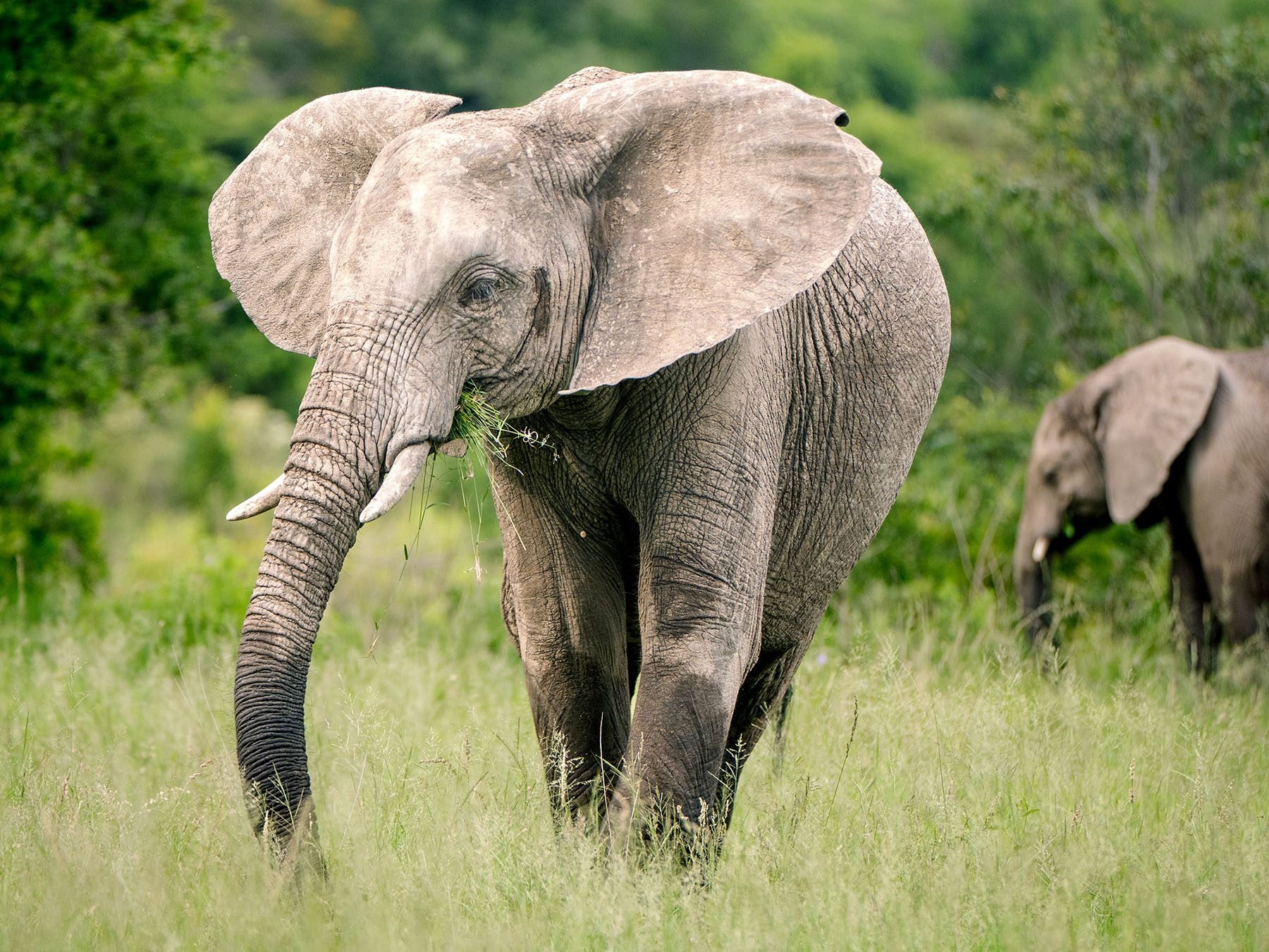
If anything, the rewilding plan has worked almost too well! Madikwe now boasts the world’s highest elephant density at 2.7 animals per square kilometer compared to the South African average of 0.79 per square kilometer. With such gigantic herds in residence, visitors are more or less guaranteed elephant sightings!
In addition to the Big Five, Madikwe is home to the Ugly Five (warthog, wildebeest, hyena, vulture and Marabou stork) and the Little Five (antlion, elephant shrew, rhinoceros beetle, red-billed buffalo weaver and leopard tortoise). And if that’s not enough to look out for, you can tick off the Madikwe ‘Top 10’ by spotting the Big Five plus cheetah, wild dog, hippo, giraffe and brown hyena! The reserve is also a haven for birds, with an impressive 340 resident species.
Day visitors are not permitted to enter the reserve, meaning that sightings are open to residents only, with strict limits on vehicle numbers (no more than three per sighting). The lack of crowds here ensures a more exclusive, unrushed experience, allowing you to enjoy an intimate, peaceful connection with nature.
Addo Elephant National Park
Located in the Eastern Cape region, Addo Elephant National Park is another malaria-free reserve that delivers Big Five sightings amid a diversity of landscape you’ll be hard pushed to find anywhere else.
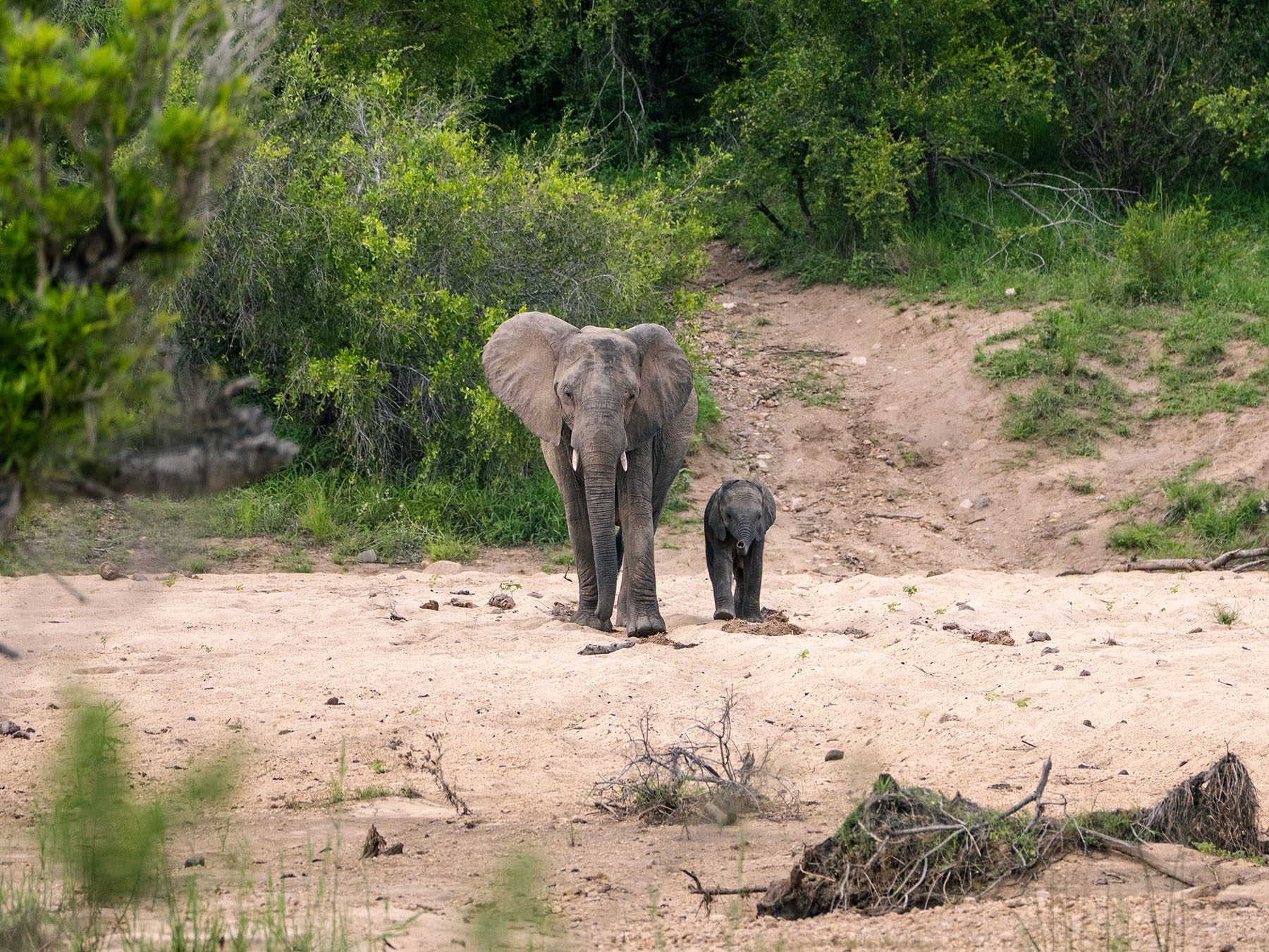
A natural add-on to the scenic Garden Route, the park is one of Africa’s most shining examples of elephant population recovery done right – and if that wasn’t enough, it’s the only reserve in the world where, as well as the Big Five, you can spot great white sharks and southern right whales!
Addo was proclaimed a protected area in 1931 in a last-ditch effort to save its remaining eleven Eastern Cape elephants. Thanks to consistent conservation efforts over the years, the park’s thriving elephant population has now reached over 700 individuals.
What truly sets Addo apart from other reserves is its status as the first-ever ‘Big Seven’ (Big Five plus great white sharks and southern right whales) conservation area, thanks to a 120,000-hectare marine element that makes it South Africa’s third largest national park.
Addo welcomes self-drive safari-goers, with a network of paved and gravel roads, clear signposting throughout the park and detailed maps available to download or provided with your tickets.
Timbavati Private Nature Reserve
Like Sabi Sand, Timbavati Private Nature Reserve is part of the Greater Kruger National Park ecosystem, sitting adjacent to the Kruger National Park and with no fences between them. It is, however, more accessible budget-wise, with some mid-range lodging options available.
Timbavati is a unique reserve due to its rare white lions. The prides that call Timbavati home carry a recessive gene that means that every so often a white lion is born. It’s a fabulous phenomenon. A lioness from the Giraffe Pride in Timbavati gave birth to a litter of cubs, including one white cub, in late 2025.
Originally founded in 1956, Timbavati removed its fences with Kruger when the Associated Private Nature Reserves came together in 1993 to create a single, unfenced ecosystem. The reserve houses over 40 mammals, including all of the Big Five plus more than 350 bird species.
I have seen all of the Big Five here, with multiple lion sightings, including a very close encounter with one lioness who stopped right beside our vehicle for a rest. Rhinos were plentiful throughout the reserve, and I also had four individual leopard sightings! Buffalo were actually the hardest of the Big Five to track down during our stay, but our patience eventually paid off, and we found ourselves among an entire herd on the third evening of our stay!
Some of the lodges here, including King’s Camp, have underground hides which allow you to view wildlife at eye-level as they come down to a waterhole to drink. This offers a unique perspective and the opportunity to capture great low-level photographs. I was fortunate enough to see three separate elephant herds in one day from the hide.
A visit to Timbavati pairs very well with a visit to Sabi Sand as the two can easily be connected by a short flight. Whilst both reserves are capable of offering excellent Big Five sightings, they both have different plus points (Sabi Sand being superb for leopards and Timbavati being more reliable for rhino sightings, in my experience).
Hluhluwe-iMfolozi Park
Hluhluwe-iMfolozi Park is amongst the oldest game reserves in Africa (along with St. Lucia) and is also the birthplace of modern rhino conservation. Housing each of the Big Five along with cheetahs and wild dogs, this park is particularly famous for its healthy population of both white and black rhinos.
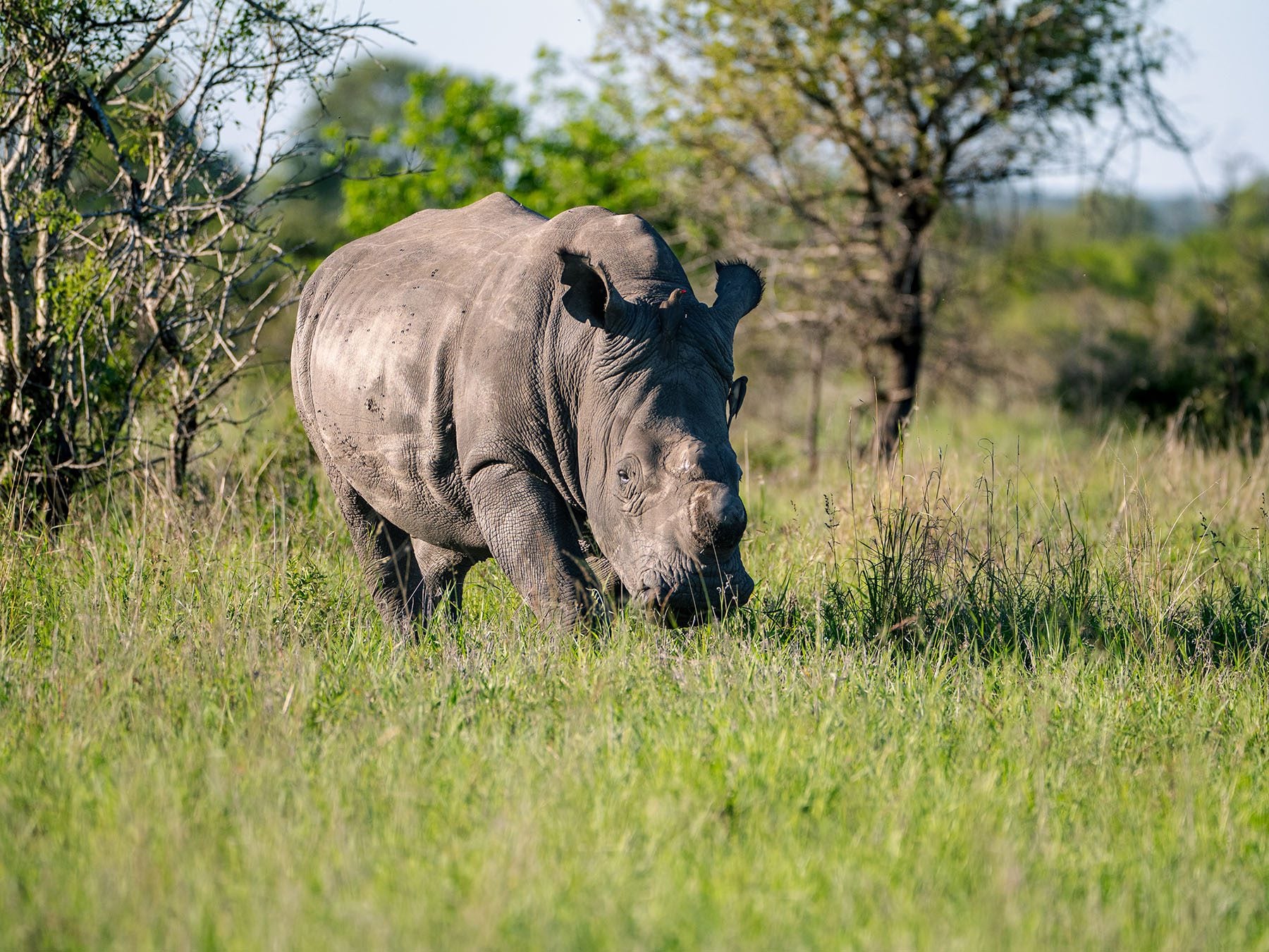
The Hluhluwe, iMfolozi and St Lucia reserves were established in 1895, and Hluhluwe, iMfolozi and the Corridor Reserve were combined in 1989 to form the 96,000-hectare expanse that is now Hluhluwe-iMfolozi Park.
And as you’ll quickly discover if you visit this park, Hluhluwe-iMfolozi is all about rhinos. In the 1960s, the Operation Rhino initiative was launched here, focusing on translocating rhinos from the park to other protected areas for their safety. The operation saw the southern white rhino population recover to 20,000 across Africa by 2010.
While poaching remains a serious issue, the number of animals falling victim to poachers is decreasing steadily, with KwaZulu-Natal recording a year-on-year drop of almost 30% to 232 in 2024. Conservation bodies in the province attribute this result at least partly to a rhino dehorning drive launched at Hluhluwe, iMfolozi in April of the same year.
Today the park boasts one of the continent’s largest concentrations of black and white rhino as well as all of the Big Five plus cheetah, wild dog, impala, and baboons, to name but a few.
The iMfolozi section is very accessible, situated just three hours from Durban.
Conclusion
South Africa has no shortage of national parks and game reserves for those looking to go on safari, and each reserve offers its own unique experience.
If you have the time, I’d recommend combining several locations into one. When I visited South Africa on safari, I visited Timbavati, Sabi Sand and Kruger National Park, as the reserves are only a few hours apart by road. This allowed me to see the Big Five multiple times, as well as experience a variety of landscapes and lodges.
A safari in South Africa provides a magical and unforgettable experience. And no matter which reserve you choose from the above, you’re guaranteed to have memories that will last a lifetime.