The Best 7 Safari Destinations in Kenya
I’ll never forget my first safari in Kenya. The sprawling plains of the Maasai Mara spread out in all directions, the first orange rays touching the vast landscape. From somewhere in the distance, a lion was roaring, its deep guttural chants reverberating around me. And then I saw it, a golden figure on the horizon, streaking through the long grass.
With more than 40 national parks and landscapes ranging from the endless golden savannahs of the southwest to the dramatic deserts and volcanic terrains of the north, it’s no surprise that Kenya ranks among Africa’s leading safari destinations, with over 2.4 million tourists in 2024.
I’ve put together this shortlist to help you choose which parks to include in your Kenya safari itinerary. These insights will help you pinpoint those reserves that truly speak to you so that you can discover the magic of this wonderful country in the most meaningful way possible!
1. Maasai Mara National Reserve
While Kenya has many outstanding reserves, the Maasai Mara National Reserve is the indisputable jewel in its safari crown. Boasting all of the “Big Five” (lion, leopard, rhino, elephant and buffalo) plus thriving cheetah, hyena and giraffe populations, the Maasai Mara Reserve has all you could hope for and so much more. If you’re only going to visit one Kenyan reserve, make sure it’s this one!
Spanning some 580 square miles (1,500 km²) of open savannah along the northern edge of the wider Serengeti ecosystem, the Maasai Mara National Reserve is perhaps most famous as the setting for the Great Wildebeest Migration between July and October.
During this spectacular event, over two million wildebeest, zebras and gazelles migrate from neighboring Tanzania into the Mara each year. While the entire migration is breathtaking, the Mara River Crossings, which take place from mid-July to mid-October and generally peak in August, are undeniably the high point.
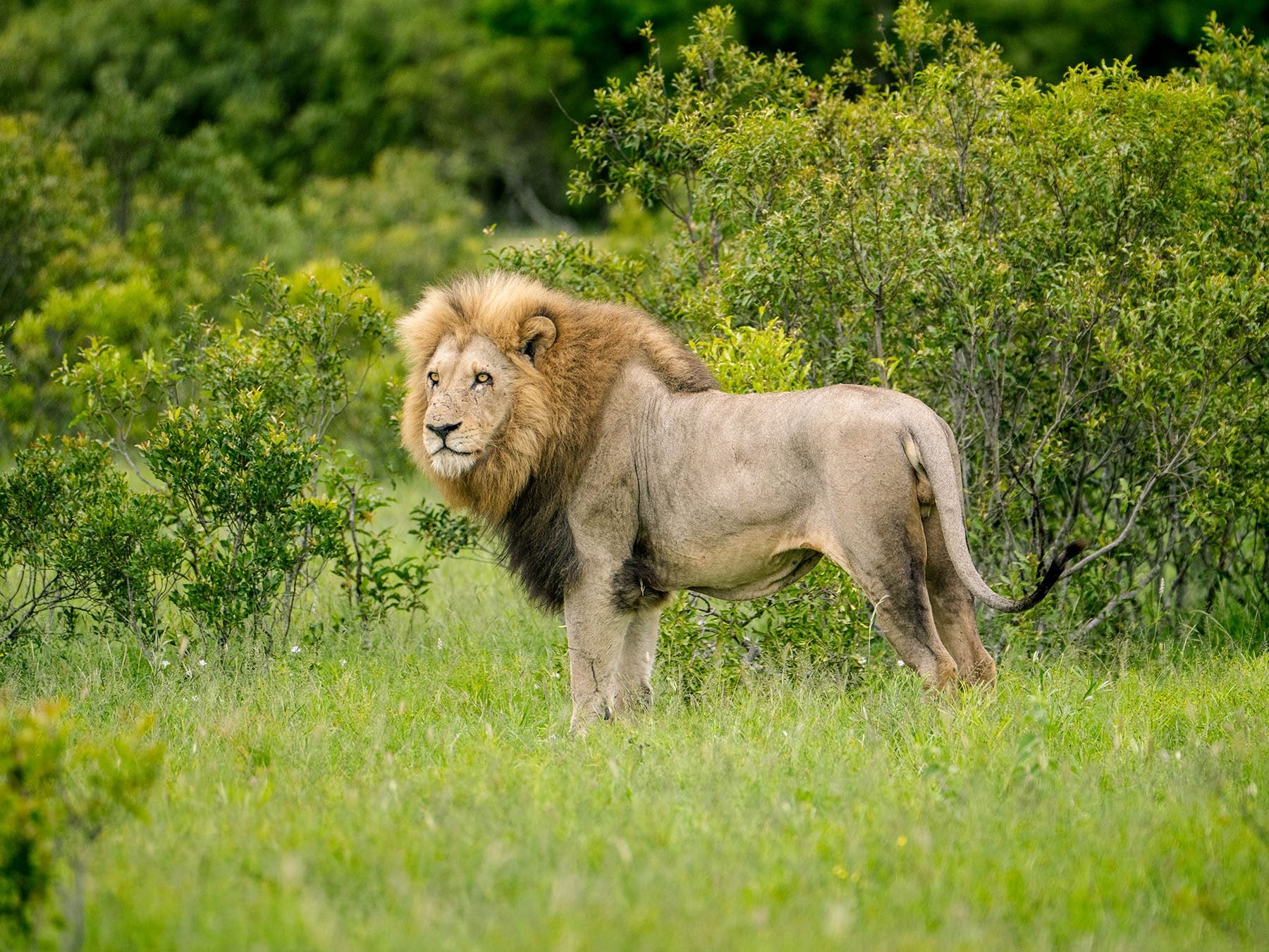
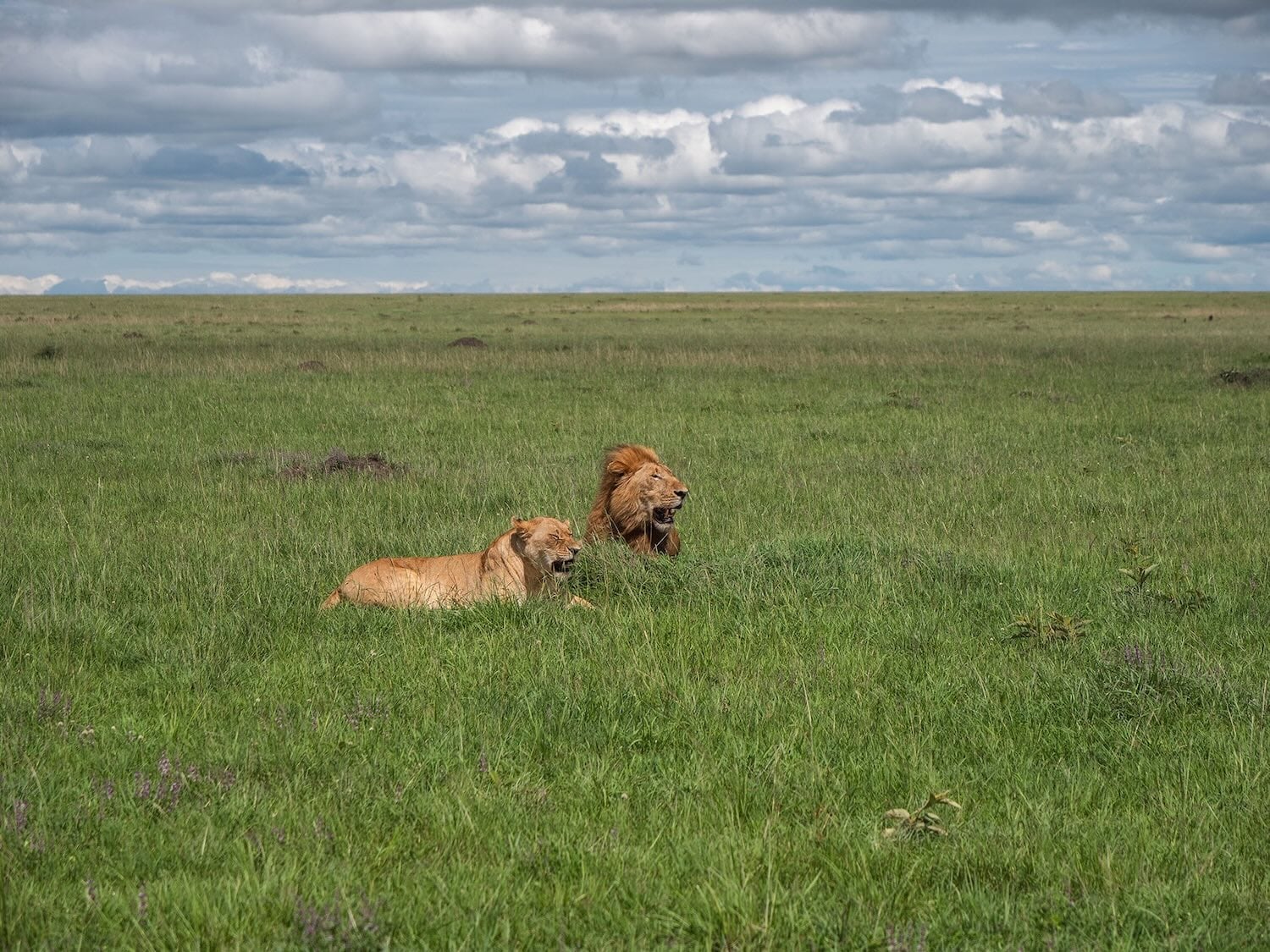
The Mara reserve is also renowned for its predator density, which is among the highest in the world. Here, around 200 to 400 lions prowl the grasslands as they hunt, with accumulations of between 25 and 30 per 100 km² (38.6 mi²) in top viewing areas – significantly higher than in other flagship parks such as Kruger or the Serengeti.
The leopard population is also very healthy, although they can be quite difficult to spot (pun unintended!).
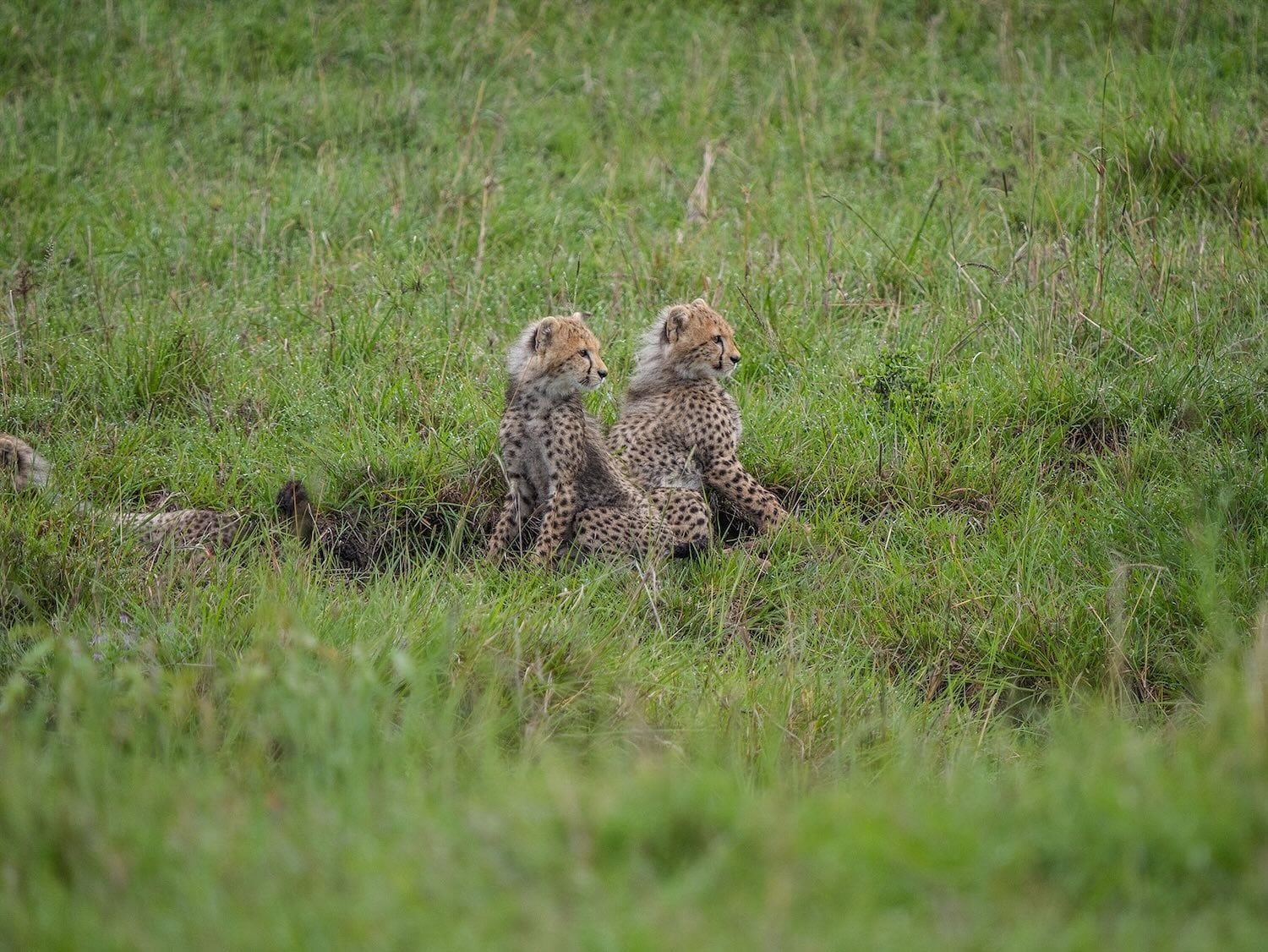
One of my most memorable big-cat sightings in the Mara was seeing a female cheetah named Nashipae with her four sweet little cubs. They were so cute and fluffy! Nashipae proved herself an excellent mother, successfully raising all four cubs to adulthood, which is no mean feat for a mother cheetah in the wild.
Of all the ״Big Five״, black rhinos are definitely the most difficult to see in the Maasai Mara Reserve. If you have your heart set on spotting one of these rare creatures, I’d recommend combining the Maasai Mara with a visit to Lake Nakuru or Ol Pejeta to boost your chances.
Having said that, I actually had my best-ever black rhino sighting in the Mara, when we spotted a male marking his territory on our very first game drive! That’s the thing about safari – anything can happen!
While the Mara is utterly unforgettable any time of year, its popularity and relatively compact size mean it does tend to get crowded during high season. With peak fees set at a rather hefty $200 per day, it’s also one of Kenya’s priciest safari destinations, so the safari cost may also be a factor to consider when planning your visit.
2. Samburu National Reserve
Samburu National Reserve is a unique hidden gem located a 7-hour drive north of Nairobi. With far fewer visitors than the Maasai Mara, this park is the ideal choice if you’re after a more intimate safari experience.
Samburu’s unquestionable top attraction is the “Samburu Special Five”: Grevy’s zebra, reticulated giraffe, Somali ostrich, gerenuk, and beisa oryx. Perfectly adapted to the desert-like conditions that prevail in northern Kenya, these species aren’t found in southern parks, and several of them are endangered.
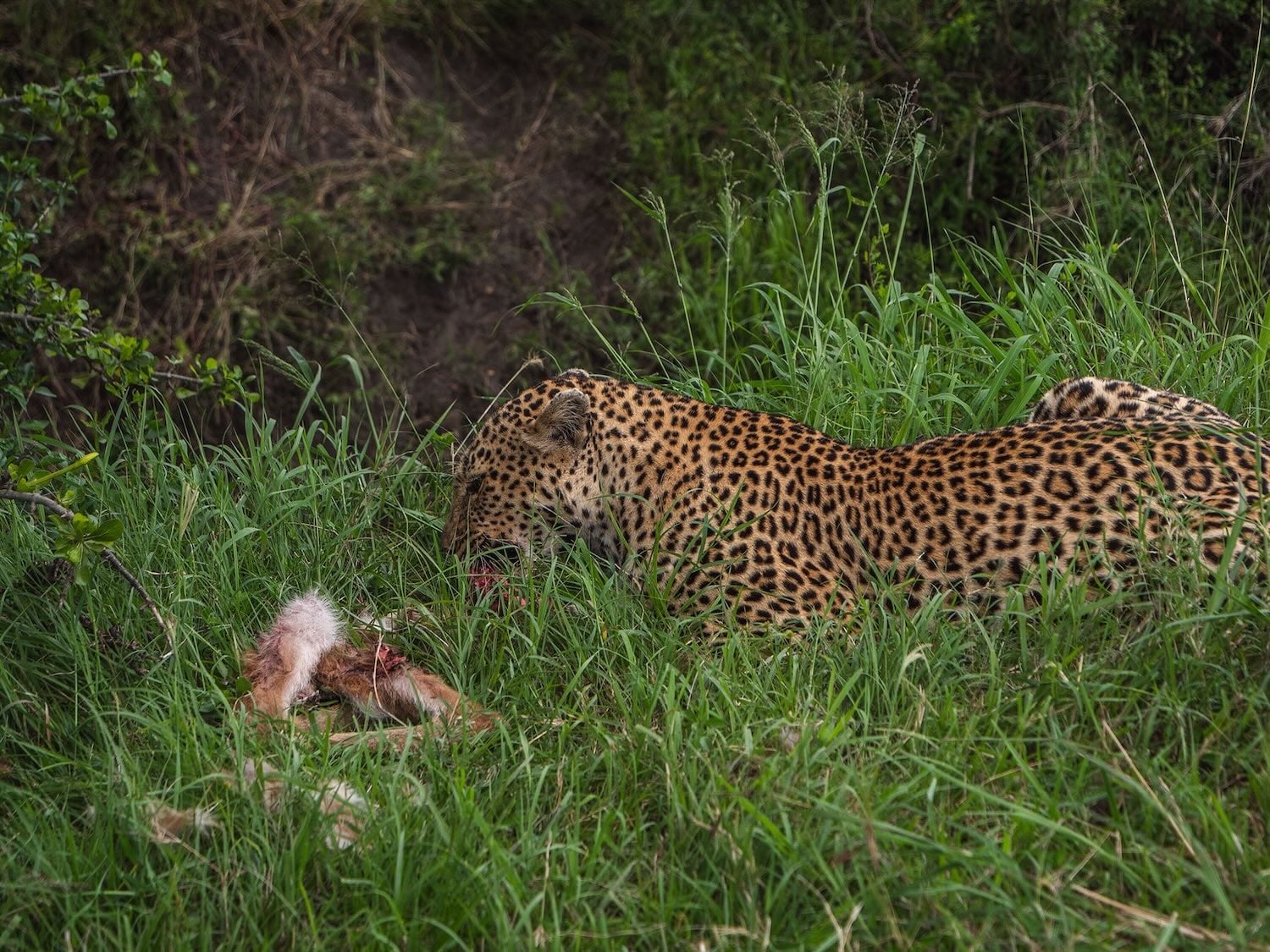
In addition, the reserve, particularly along the Ewaso Ng’iro riverbank, is known as one of the best locations in the country for leopard sightings, and is also one of the few places in Kenya where you have a chance of encountering the highly elusive African wild dog.
The reserve is also renowned for its elephants, with Save the Elephants monitoring the African elephant population here since 1998. Today, the organization is tracking over 900 individuals in the reserve using GPS collars, and thanks to its ongoing conservation work in the park, Samburu has become a safe haven where these amazing creatures can thrive.
Situated in semi-arid northern Kenya along the banks of the Ewaso Ng’iro River, Samburu takes its name from the nomadic pastoralist Samburu tribe, whose members are known for their vibrantly coloured clothing and jewelry.
Samburu is ideal for those seeking a quieter experience and species you won’t find in the southern parks.
Conditions in Samburu can get pretty hot due to its northerly location, so dress light. You should also be aware that there aren’t many low-cost accommodation options near the park due to its remote location, so if you’re on a tight budget, this may not be the best choice.
3. Nairobi National Park
When you conjure up a mental image of a safari park, I’m willing to bet you don’t picture skyscrapers on the horizon! Unbelievable as it seems, though, that’s what awaits you at Nairobi National Park. Covering some 45 square miles (117 km²), the park is the only national park in the world that’s located inside a capital city – less than an hour from the central business district, in fact!
Nairobi National Park is home to four of the “Big Five”, lacking only elephants. With healthy populations of lions, leopards, buffalo, giraffes, cheetahs, and hyenas, the park also offers particularly good opportunities for encounters with white rhinos.
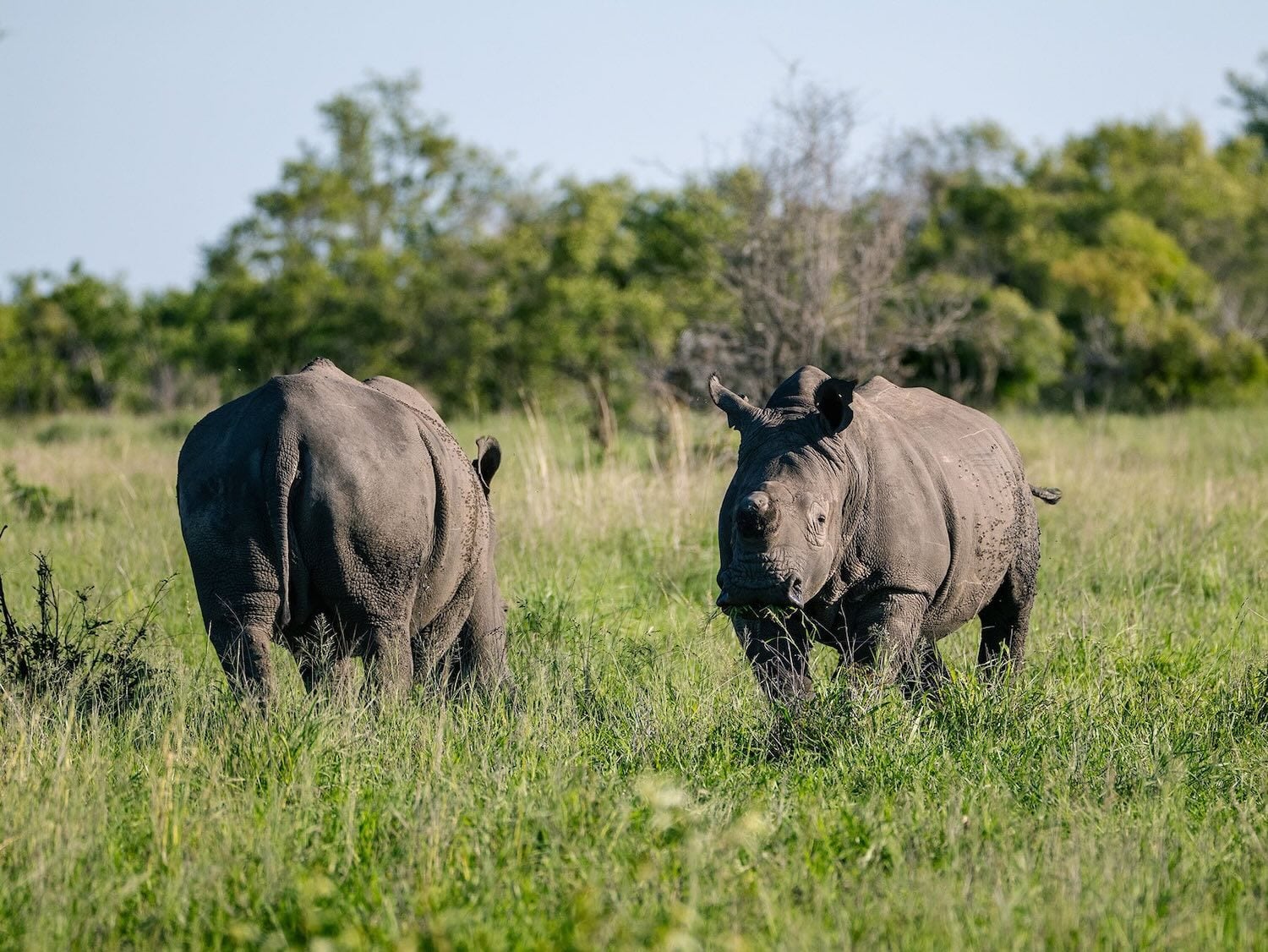
While the park is undeniably compact, it offers some amazing sightings despite its semi-urban location.
One of my standout encounters here was when we happened upon a lion pride napping. We watched them sleep for about an hour while other vehicles came and then went as their occupants gave up on the prospect of any action.
Suddenly, though, the pride awoke and took off across the savannah, muscles rippling as they went. It would have been a special encounter under any circumstances, but the fact that we were the only ones to witness it made it extra magical, rewarding our patience with an unforgettable experience.
If that wasn’t remarkable enough, I also had the good fortune to see multiple white rhinos in one day at Nairobi National Park! The first was of three females resting peacefully in the grass, and the next was of two females munching the short grass beside a lake, their reflections clear in its still waters.
The following day brought a much more dramatic encounter, when a huge male white rhino approached a cluster of females and calves. Despite his size and dominant behavior, one of the females charged him with her head lowered and her horn pointing straight at him, and he promptly retreated to watch them from a safe distance.
In addition to these amazing sightings, I was very struck by the variety of species we saw at Nairobi National Park, from impalas, Thomson’s gazelles, elands, zebras, giraffes and Coke’s hartebeest to ostriches and even a leopard tortoise plodding slowly across the road. It was very impressive given the reserve’s small size.
During your visit, you can go on a game drive in the morning and then spend the afternoon at the David Sheldrick Wildlife Trust. Located inside the park, this elephant orphanage invites visitors to come and feed its adorable baby elephants between 11 am and 12 pm. Be sure to book in advance via the Trust’s website to avoid disappointment, as prior booking is mandatory.
4. Amboseli National Park
Renowned for its massive elephant herds and breathtaking views of Mount Kilimanjaro, Amboseli National Park is home to more than half the world’s Big Tuskers, whose tusks reach the ground and weigh more than 110 lb (50 kg)!
The park itself is fairly small, covering just 151 square miles (392 km²), and with the action largely concentrated near Kimana Gate in the eastern section, I’d recommend staying in a hotel just outside the gate or, better still, within the park.
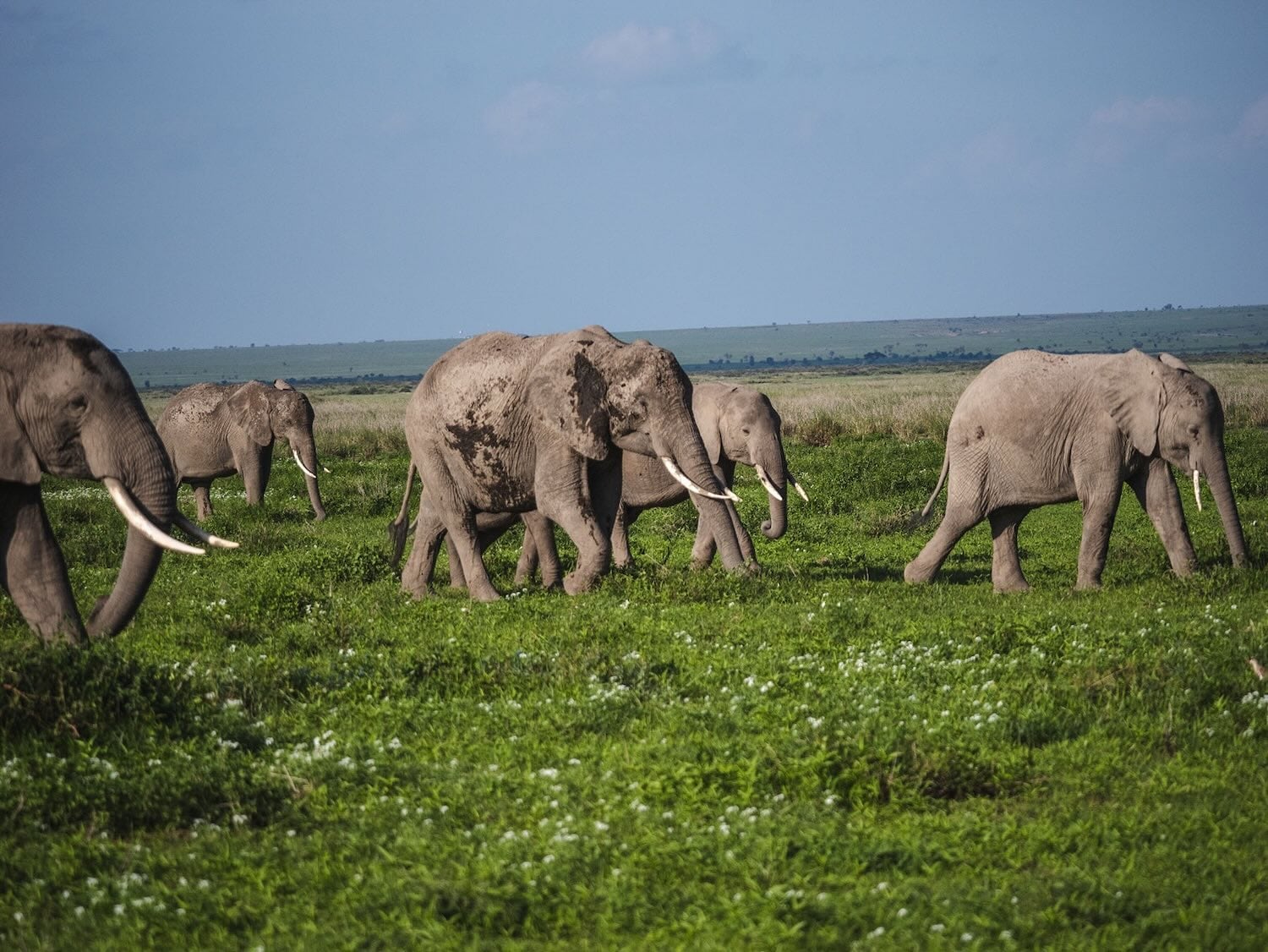
The elephants in the park follow a pretty regular routine, migrating from the forests below Mount Kilimanjaro to the marsh in the heart of the park between 6:30 and 7:00 each morning. Here, they spend the entire day feeding in the swamps before making their way back to the forests around 4:30 or 5:00 pm. You should plan your game drives accordingly so you can take in the incredible sight of the huge herds moving across the landscape.
I must say that, while I knew Amboseli was something of an Elephant Central, I hadn’t expected to see such huge numbers of them during my visit. Watching them march across the plains in their hundreds was incredible, and at times, they filed across the road so close to our vehicle, I could have reached out and touched them!
The elephants are the undisputed headliners at Amboseli, but the park has much more to offer! Birders in particular will be rewarded with frequent and varied sightings thanks to the permanent water source, and cheetahs are common. There are also a few prides of lions in residence, plus thriving populations of giraffe, wildebeest, buffalo, and zebra, and many other species besides.
That said, you won’t be able to see all of the “Big Five” here, as the open nature of the landscape is not suitable for leopards or rhinos. In addition, you may not be able to see Mount Kilimanjaro depending on the time of year (chances are best during the dry season) and the weather conditions.
The only time I spotted it was in the very early mornings, around 6:00 am, and even then it was only the snow-covered peak. The rest of the time, it was obscured by clouds.
Honestly, though, I can say with confidence that the enormous elephant processions more than make up for it. And with a bit of luck, you’ll get the best of both worlds and snag that perfect shot of the elephants passing in front of Kilimanjaro. That’ll be one for the mantelpiece!
5. Lake Nakuru National Park
Situated in the Rift Valley in Kenya’s central highlands, Lake Nakuru National Park is a small wildlife park that packs a big wildlife punch! The algae-rich waters of Lake Nakuru attract the pink flamingos for which the park is known, once drawing over a million of these striking pink birds each year.
While the flamingo population has declined sharply in recent decades due to rising water levels, Nakuru remains the best place in Kenya to see them, especially between July and September or December and February when algae is plentiful.
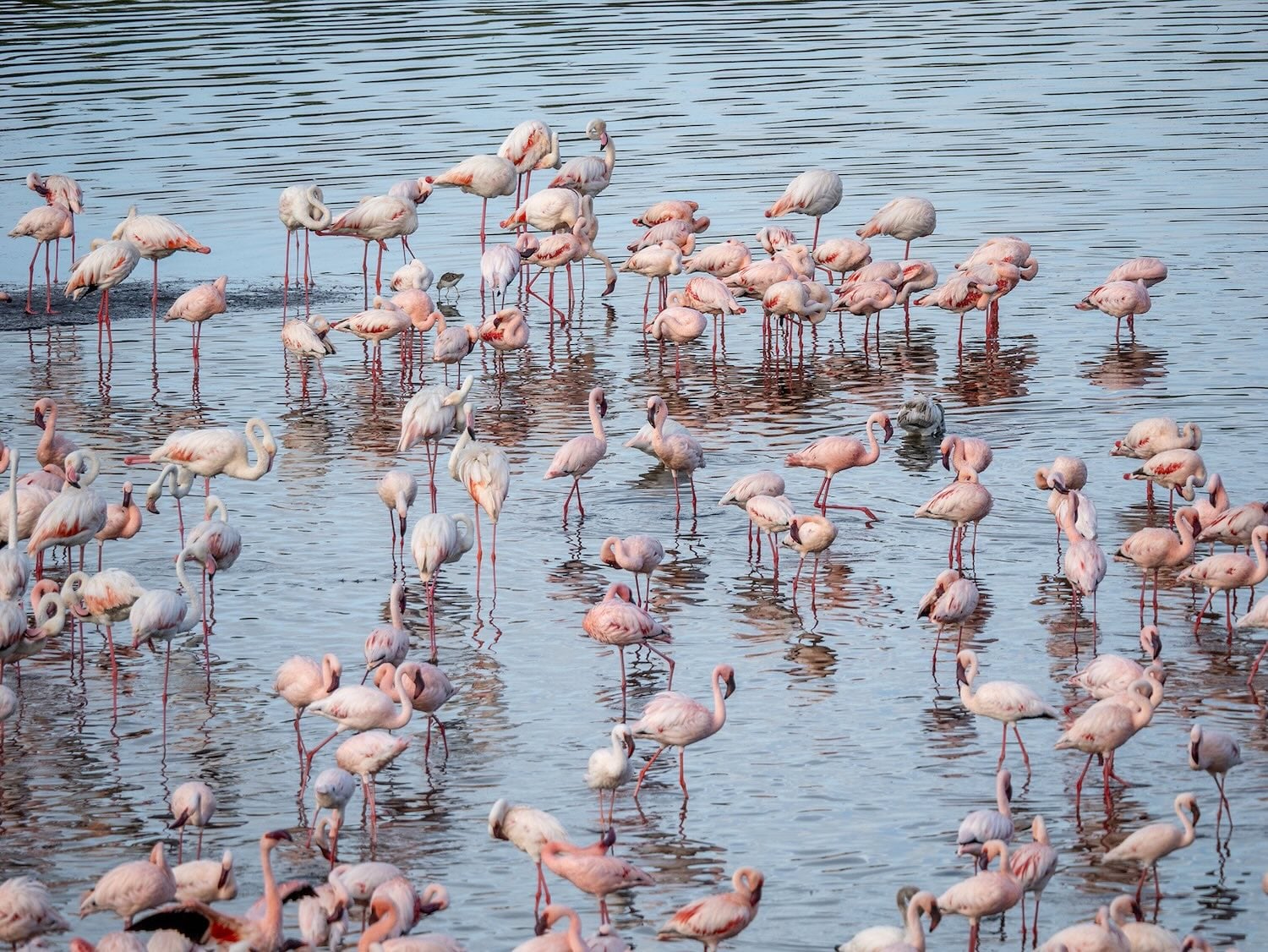
What’s more, this reserve is one of Kenya’s top locations for white and black rhino sightings, with white rhino encounters as close to guaranteed as you can get. Nakuru is home to the first-ever rhino sanctuary in Kenya, which opened in 1984 with just 2 individuals and has since seen its population swell to over 150, all protected by the 10-foot (3-meter) high fencing that surrounds the park.
Nakuru is a fantastic venue for birders, with over 450 species in residence, among them fish eagles, pelicans and gleaming sunbirds. In addition, you can find four of the Big Five here (lions, leopards, rhinos and buffalo; the high fencing keeps elephants out). The reserve is also home to the endangered Rothschild giraffe, while hyenas are present in healthy numbers, too.
While visiting Nakuru, we were lucky enough to enjoy not one but two white rhino sightings. During the first, we spotted two females dozing near the lake before getting up and making for the forest in surprisingly nimble style!
The second was even more memorable, taking place in that lovely warm, golden light that precedes dusk. We came across a huge number of rhinos grazing in a forest clearing, including a young calf beside its mother. Seeing so many of these critically endangered animals in one place was deeply moving.
We also witnessed a lion pride facing off against a herd of giraffes during our time at the park, as well as a mother hyena caring tenderly for her two adorable cubs, which helped me see a completely different side to these often maligned animals!
Nakuru is situated just a four-hour drive from Nairobi, making it an ideal addition to most Kenya safari itineraries. Especially great for combining with a visit to Lake Naivasha and Hell’s Gate, the park also makes a fantastic stopover between Nairobi and the Maasai Mara.
The entrance fee is $60 per adult per day and visitors typically spend 1-2 days here. This reserve is a great fit for birders, rhino-seekers and those who prefer compact, more intense game drives.
6. Ol Pejeta Conservancy
For me, Ol Pejeta is synonymous with rhinos. Perhaps best known as home to Najin and her daughter Fatu, the world’s last living northern white rhinos, the reserve is also East Africa’s largest black rhino sanctuary, with both black and white rhinos in residence.
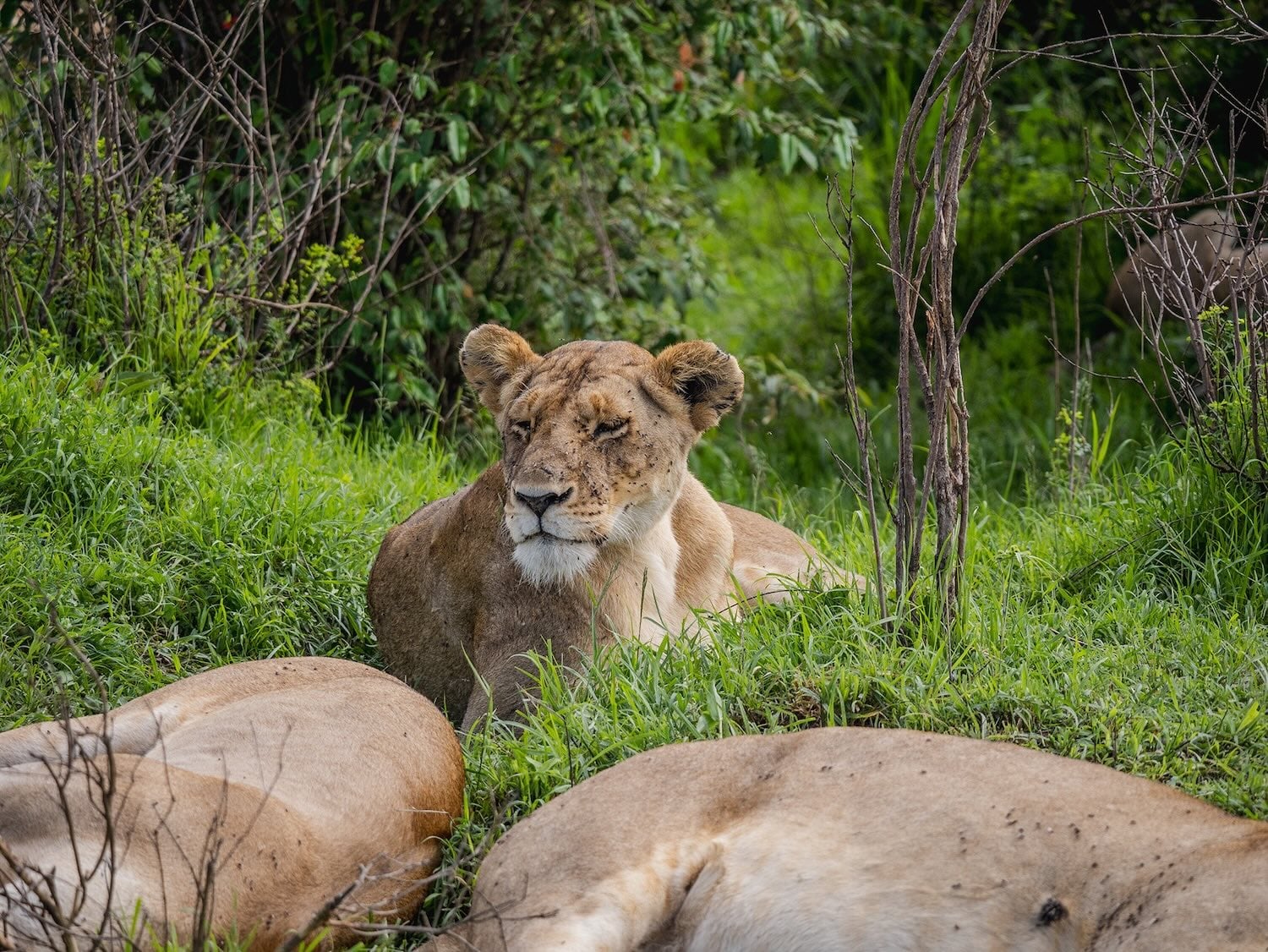
The other main attraction at this conservancy is its impressive predator density, one of the highest in Kenya with some six lion prides totaling 72 individuals. Leopards, hyenas, black-backed jackals and caracals also prowl its terrain in search of prey.
What’s more, this is the only place in Kenya where you can see chimpanzees. Though not endemic to the country, these fascinating animals now live there in a sanctuary established in collaboration with the Jane Institute to house orphaned chimpanzees rescued from Burundi during the early 1990s.
The landscape here is also striking, with the craggy outline of Mount Kenya providing a dramatic backdrop as you make your way across the open savannah. Near the acacia woodlands where giraffes, elephants, leopards, olive baboons and vervet monkeys can be spotted, the glistening waters of the Ewaso Nyiro River attract hippos, elephants and numerous waterfowl.
One thing to be aware of is that the activities at this conservancy have to be booked in advance. For example, there are only a few daily slots for visits to the northern white rhinos priced at $70 per person, and pre-booking is recommended.
You can also book lion tracking with radio telemetry, rhino tracking, anti-poaching tracking with the K9 dog unit, night game drives and a visit to the Sweetwaters Chimpanzee Sanctuary as add-ons during your visit, each priced at $70 per adult.
Another unique aspect of Ol Pejeta is that it is one of the very few safari destinations in Kenya that allow cycling and horse riding within the conservancy, making it especially appealing to safari-goers who wish to explore beyond the confines of a game-drive vehicle.
Guided bush and bird walks and 3-4-mile (5-7 km) Run the Wild (adults only) trail runs, accompanied by armed rangers, also offer opportunities to stretch your legs and get close to the nature that surrounds you.
Located 124 miles (200 km) north of Nairobi, the conservancy is a 3-4-hour drive from the Kenyan capital and just 20 minutes from Nanyuki airstrip. It is ideal for conservation-minded travelers, families, and anyone seeking rhino encounters without the crowds. Park fees are set at $110 per day for adults and $55 per day for children.
7. Tsavo East & West National Parks
Divided into Tsavo East and Tsavo West by the Nairobi-Mombasa highway and railway line, Tsavo is Kenya’s oldest and largest park.
From the moment you enter, a sense of vastness sets it apart from the smaller reserves. It is this sense of space, combined with the lower visitor numbers, that gives a safari here such a uniquely tranquil feeling, making it perfect for those who want a break from the crowds and don’t mind working a bit harder for sightings.
As Tsavo is just a 4-hour drive from the coast, it’s also ideal if you’re planning to complete your holiday with a few days of relaxation on the beach.
You may have already heard of Tsavo’s famous red elephants, but do you know where they come from? Rather than being a separate species, they are African elephants that cover themselves in the park’s unique red volcanic soil during dust baths to cool down and protect their skin from the sun. The dust dyes their skin a distinctive bright red that has to be seen to be believed!
Tsavo is home to more than 12,000 elephants, making up about 40% of Kenya’s elephant population, and also houses the majority of the world’s remaining Big Tuskers. What’s more, the Tsavo Conservation Area holds over half of the world’s Super Tuskers, whose numbers are estimated at fewer than 25 by the Tsavo Trust. In addition, there are in the region of 30 emerging Super Tuskers here, which are carefully monitored for their protection.
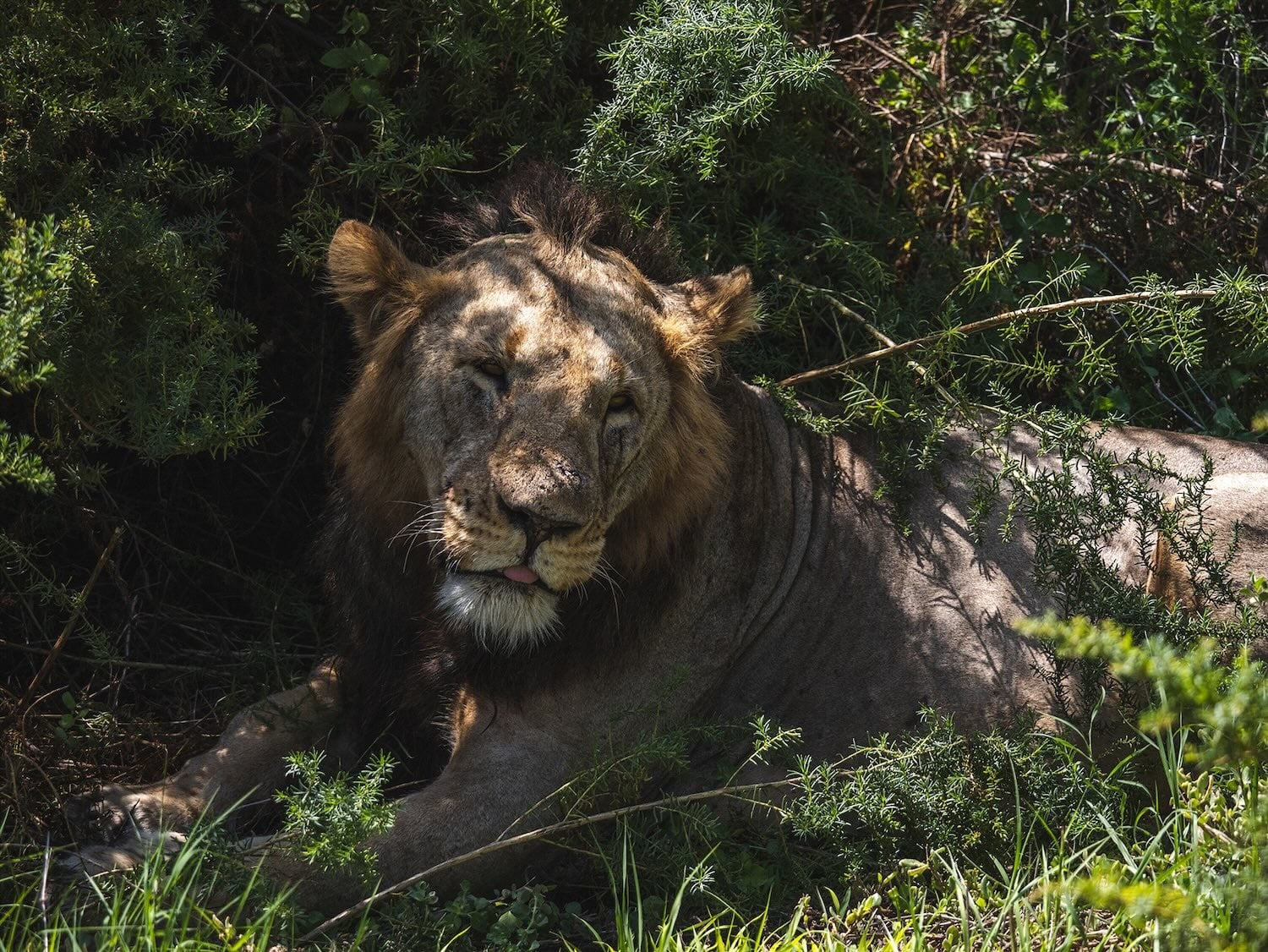
The second signature species for which Tsavo is known is its maneless lions. There are two main theories as to why the reserve’s adult males don’t grow full manes: firstly, that the hotter climate means that they are simply too warm, and secondly, that they are impractical because of the thick, thorny scrub that characterizes the area’s vegetation.
Whatever the reason, their lack of manes certainly does not make these big cats any less fierce! They are descended from a pair of lions known as the Tsavo Man-Eaters that mauled dozens of workers to death during the construction of the Kenya-Uganda railway line in 1898.
While Tsavo is quieter than other, better-known reserves, be aware that its wildlife is distributed across a vaster area, meaning that sightings can be more challenging than in the Mara or Amboseli, for example. I’d recommend combining Tsavo with Amboseli on the way in (both are connected by a wildlife corridor) or, even better, with Diani Beach on the way out for a chilled end to your safari adventure!
Conclusion
There are so many incredible wildlife destinations in Kenya that it can be hard to narrow down which to visit. The good news is that a multi-day Kenya itinerary that stops off at a few different parks and reserves is extremely easy to do as the parks are relatively close to one another and are well connected by both road and airstrips.
Kenya’s parks can generally be split into three distinct circuits.
- The Northern Circuit allows you to easily combine Samburu National Reserve, Ol Pejeta Conservancy and Lake Nakuru National Park.
- The Eastern Circuit is great for exploring both Amboseli and Tsavo National Parks.
- The Western Circuit is focused on the Maasai Mara. Lake Nakuru makes a great addition either on the way to or from the Mara.
Nairobi National Park can be combined with all three of these circuits, as Nairobi will likely be your starting or ending point.
If you have more time (say 10 days or more), you can combine two circuits or perhaps even all three!
No matter which you choose, you will have some unforgettable wildlife sightings. And don’t forget, you can always come back and see more!